Learning Outcomes
By the end of this training, you will be able to:
Define who is considered a food worker and understand their responsibilities for personal hygiene.
Explain why good personal hygiene is essential in food production.
Describe how poor hygiene can contaminate food and lead to foodborne illness.
Identify good personal hygiene practices in the workplace.
Understand when and how to report illness or injury.
Demonstrate the correct handwashing technique.
Explain the purpose and correct use of Personal Protective Equipment (PPE).

Who is a Food Worker?
A food worker is anyone who works in an area where food is prepared, processed, handled, stored, packed, transported, or served. This includes, but is not limited to:
Owners and managers
Supervisors
Bakers and confectioners
Production operatives
Kitchen staff
Packers
Cleaners working in food production areas
Anyone who handles food or food contact equipment
Typical responsibilities include:
Preparing and handling food
Operating food production equipment
Receiving and storing ingredients
Cleaning and sanitising equipment and work areas
Packing and serving food
Carrying out quality and safety checks
Every food worker has a legal responsibility to maintain high standards of personal hygiene to protect food from contamination.


Personal Hygiene
Personal hygiene refers to the practices that help maintain health and prevent the spread of disease.
The World Health Organization (WHO) defines hygiene as:
Conditions and practices that help to maintain health and prevent the spread of diseases.

Legal Requirements
Food businesses and food workers must comply with food hygiene legislation, including Regulation (EC) No. 852/2004 on the hygiene of foodstuffs. This legislation requires food handlers to:
maintain a high standard of personal cleanliness
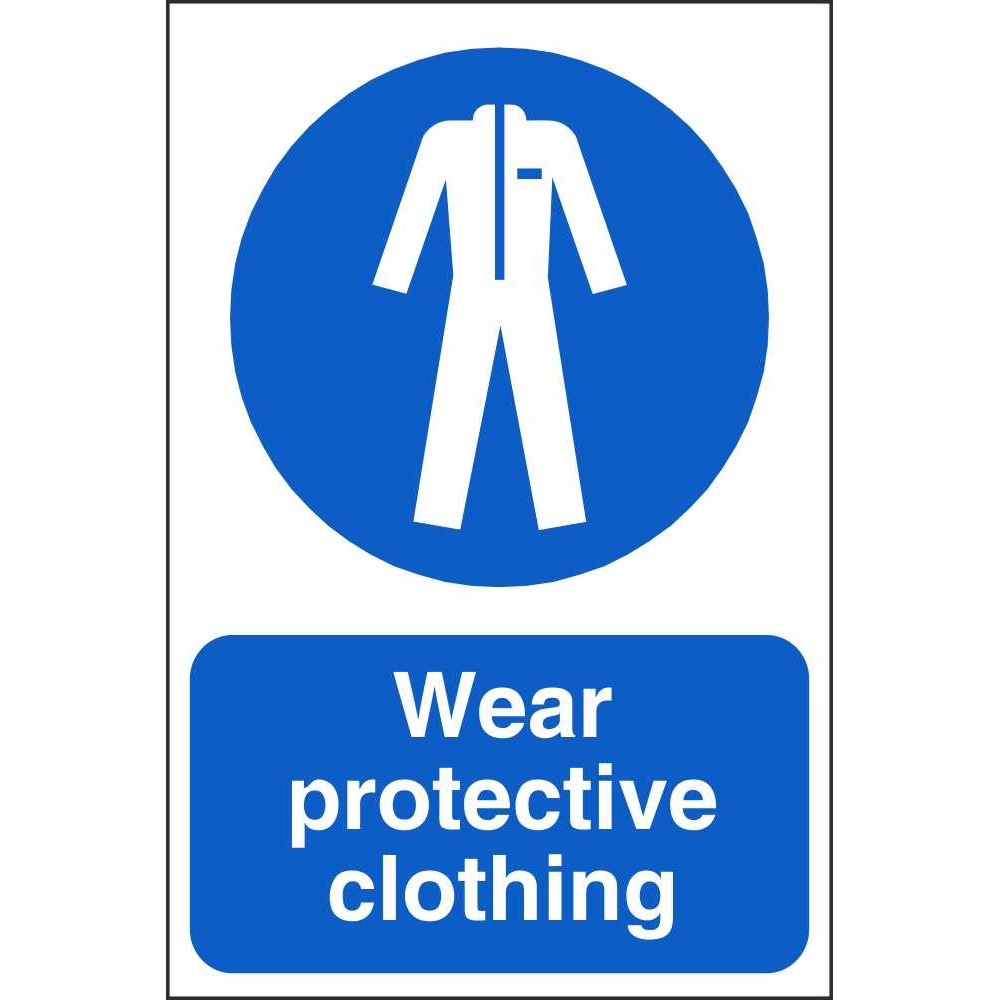
wear suitable, clean protective clothing where necessary
follow hygienic working practices
report illnesses that may contaminate food
receive appropriate food hygiene training
Failure to follow these requirements can result in:
food contamination
foodborne illness
product recalls
loss of customer confidence
enforcement action by regulatory authorities
fines or prosecution
Every employee has a legal and personal responsibility to help produce safe food.
Why Personal Hygiene is important?
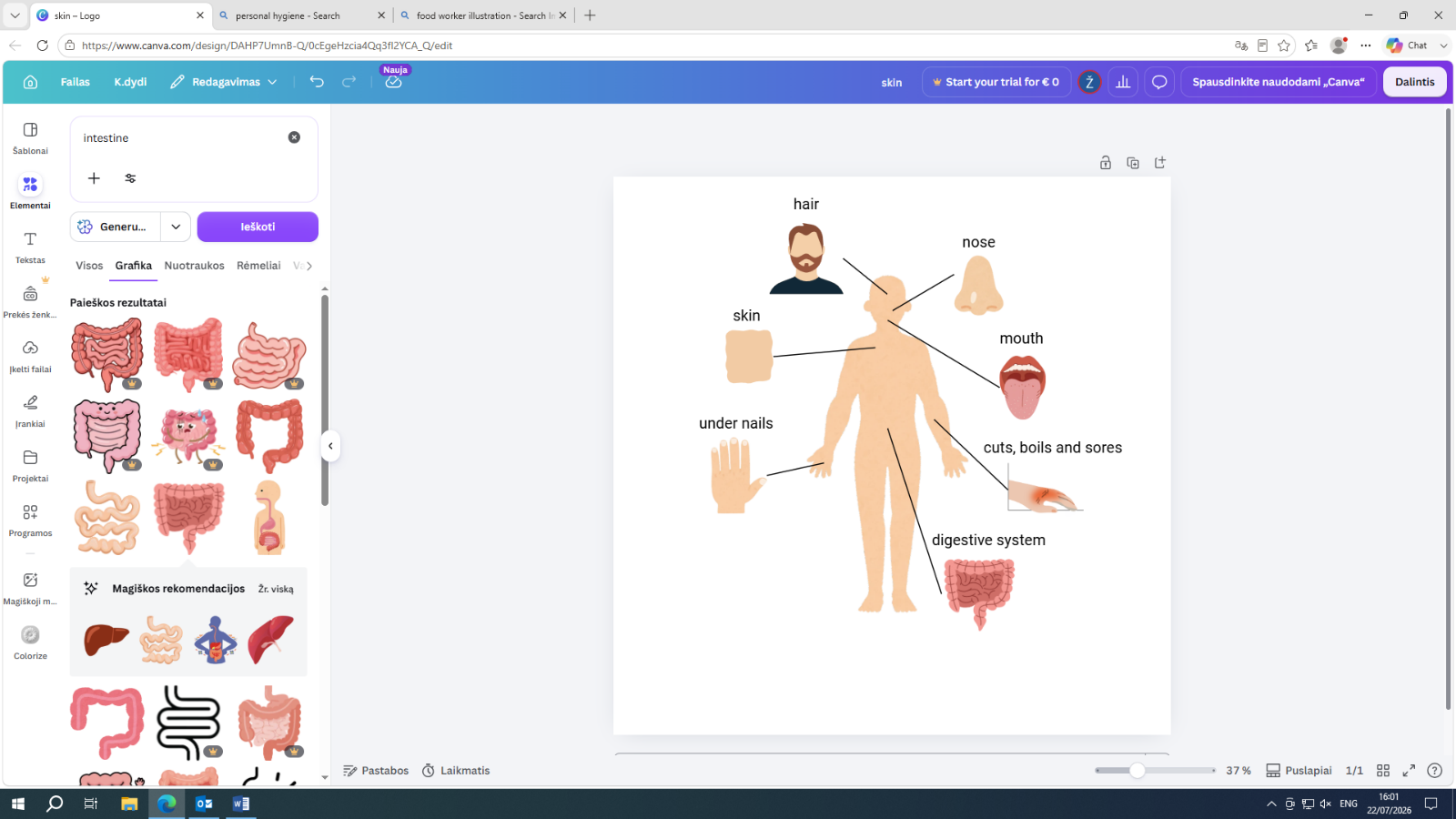
People naturally carry millions of microorganisms on their bodies. While many are harmless, some can cause foodborne illness.
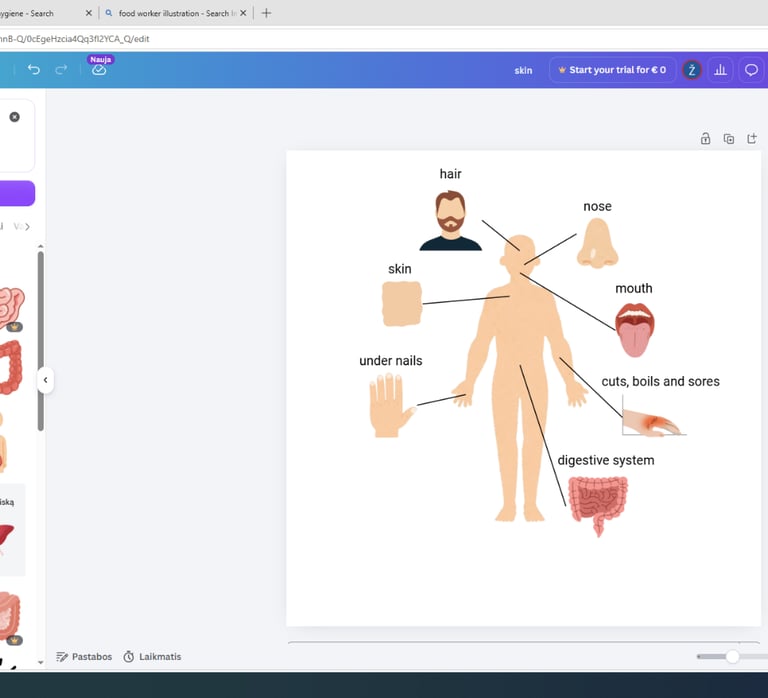
Harmful bacteria may be found:
on the skin
in the nose
in the mouth
under fingernails
in hair, beards and moustaches
in infected cuts, boils and sores
in the digestive system
Examples include:
Staphylococcus aureus
Salmonella
Escherichia coli
Clostridium perfringens
These bacteria can be transferred to food by:
touching the face or hair
coughing or sneezing
blowing the nose
using the toilet and not washing hands properly
touching contaminated surfaces
Good personal hygiene greatly reduces the risk of contaminating food.
Personal Cleanliness
Food workers must maintain a high standard of personal cleanliness at all times. This includes:
washing hands correctly and frequently
wearing clean protective clothing
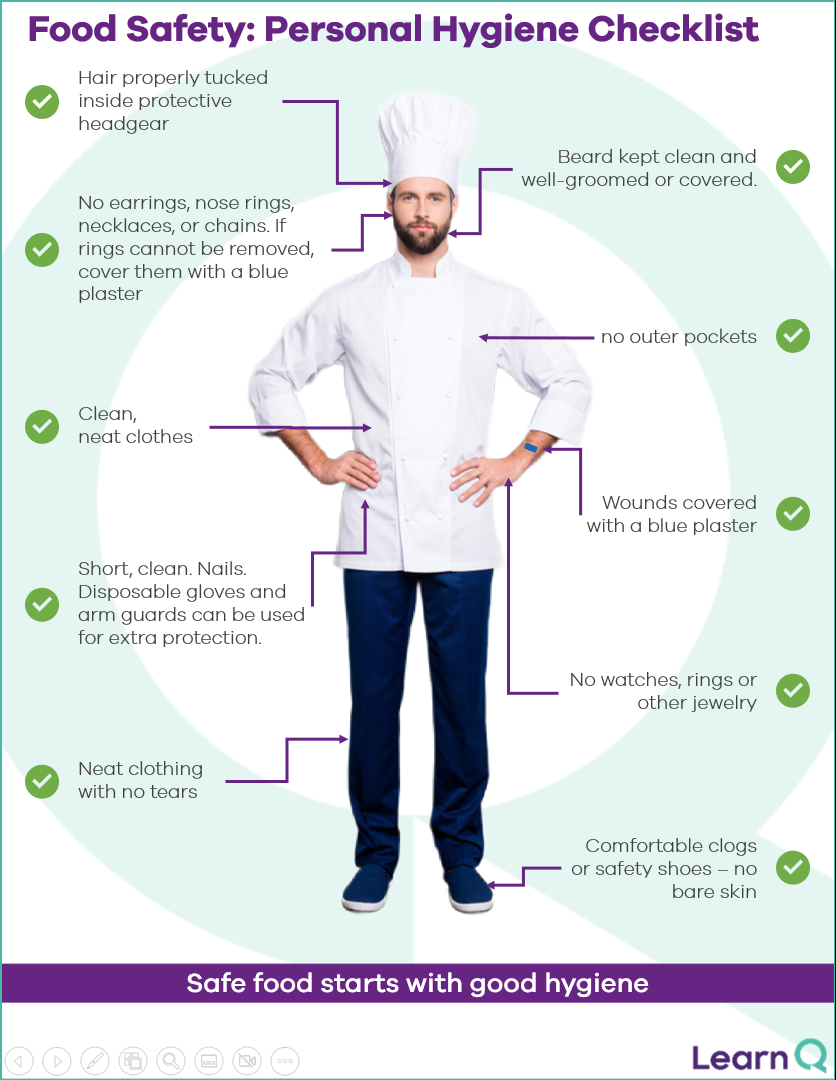
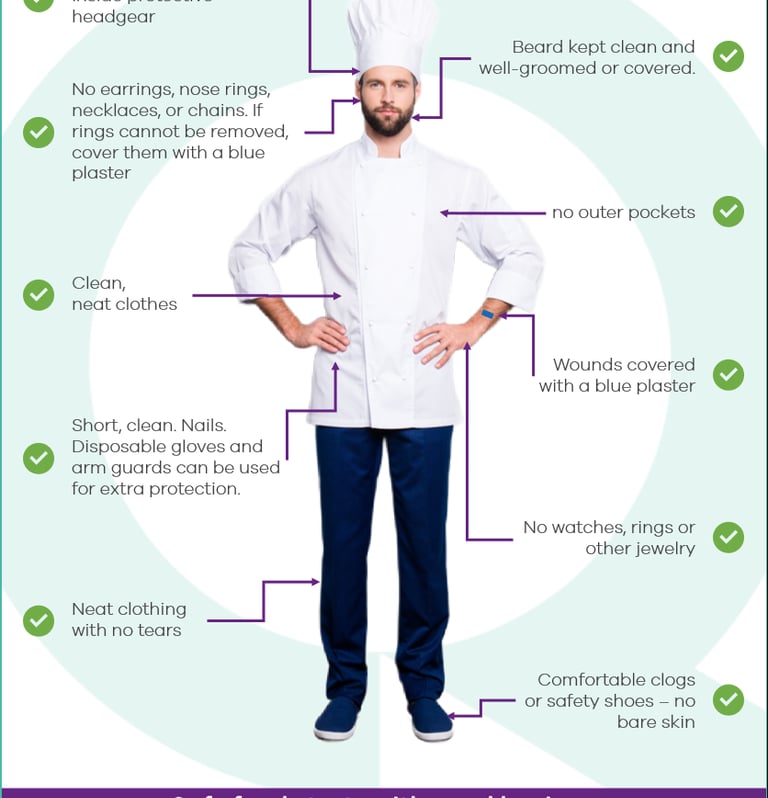
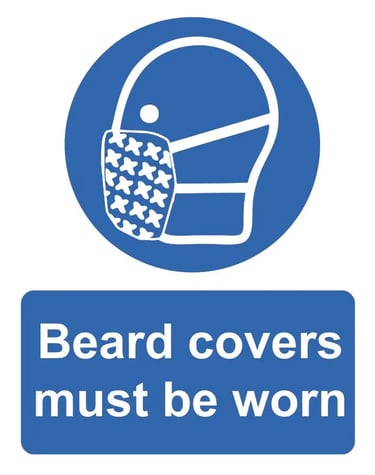
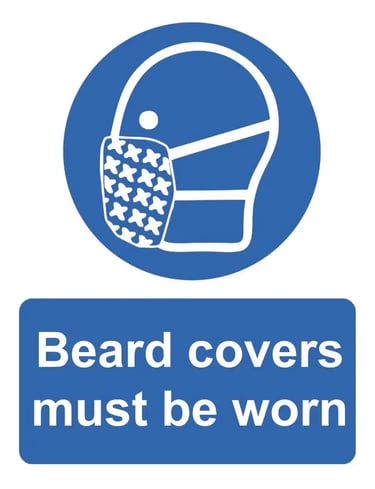
wearing hair and beard coverings where required
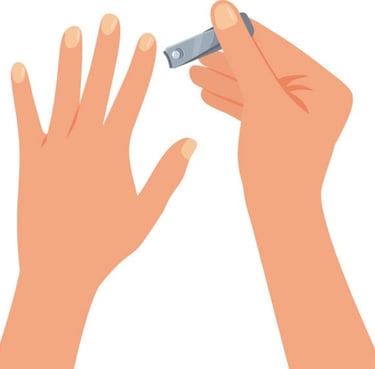
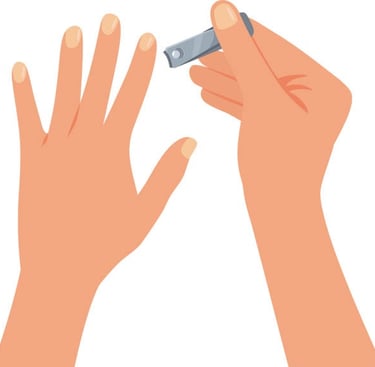
keeping fingernails short and clean
reporting illness immediately
avoiding behaviours that could contaminate food
following all hygiene procedures and training.
Personal Behaviour
Good personal habits are essential in preventing contamination. You should:
shower daily
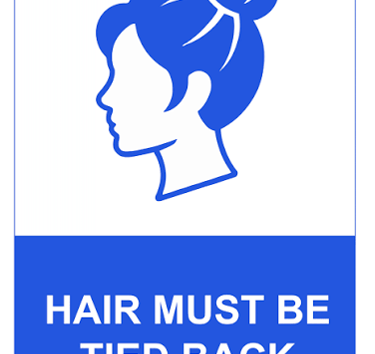
keep hair clean and tied back
keep beards clean and wear a beard snood
keep fingernails short, clean and free from nail polish, gel polish or artificial nails
wear clean uniform
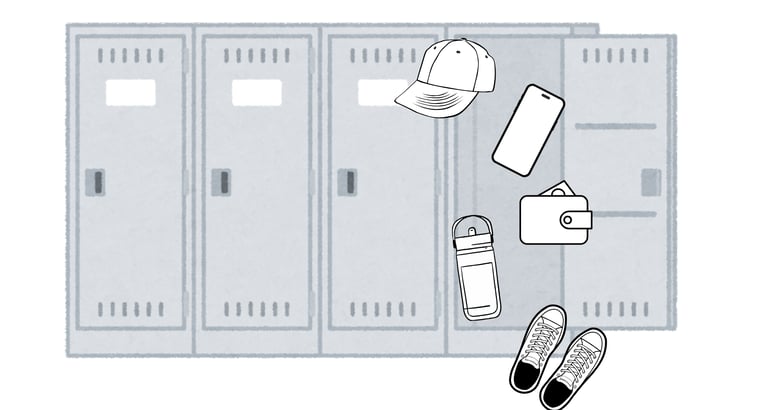
store personal belongings in designated lockers
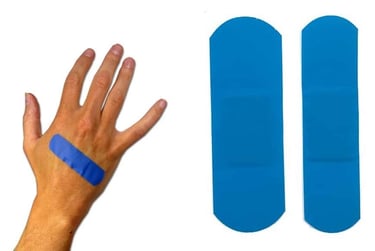
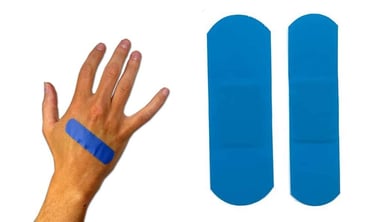
cover all cuts and wounds with a blue, metal-detectable waterproof plaster
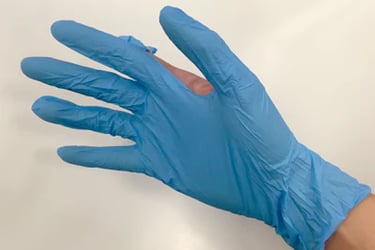
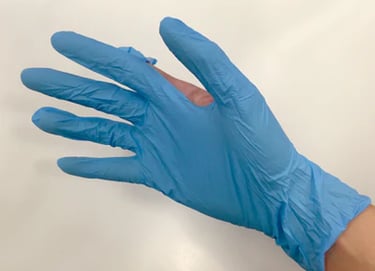
replace damaged or contaminated PPE immediately
report any food safety concerns to your supervisor



Personal Behaviour
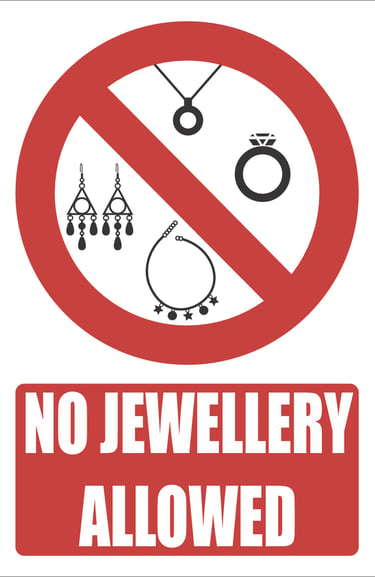
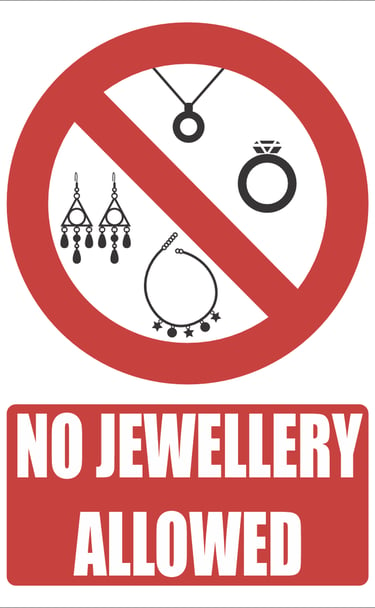
Remove all jewellery before entering food production areas:
watches
bracelets
rings with stones
necklaces
earrings
facial piercings
These items can contaminate food or become physical hazards.
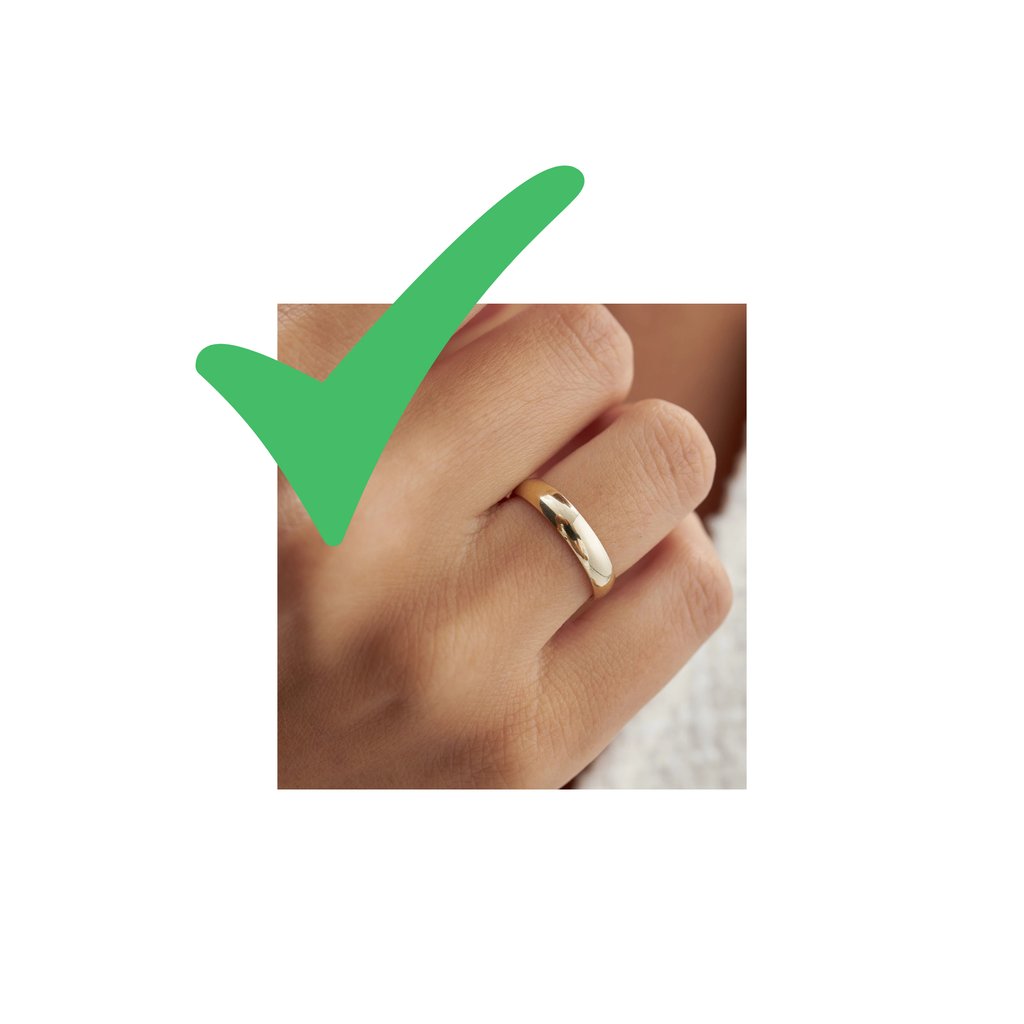
The only permitted jewellery is a plain wedding band.
Personal Behaviour
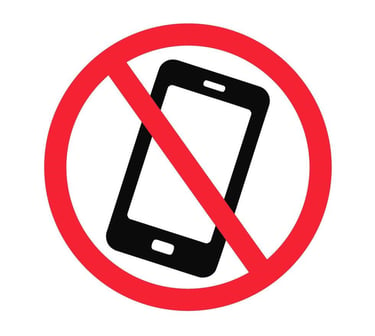
Mobile phones, smartwatches, earbuds and other personal electronic devices can carry high numbers of bacteria and can also become physical contamination hazards if damaged or dropped.
To protect food safety:
do not bring mobile phones, smartwatches or personal electronic devices into food production areas unless authorised by management
store phones and personal devices in designated lockers or storage area
wash your hands thoroughly after handling any personal electronic device before returning to food handling
Personal Behaviour
When working avoid:
eating or drinking in production areas
chewing gum
smoking or vaping outside designated areas
touching your face, nose, mouth or hair
biting fingernails
finger tasting food
coughing or sneezing over exposed food
bringing phones, bags, wallets or keys into production areas
Any contamination incident, damaged PPE, lost plaster, injury or food safety concern must be reported immediately.


Health and Illness Reporting
Food handlers must never work with food if they could contaminate it. Report immediately if you are suffering from:
vomiting
diarrhoea
fever
sore throat with fever
infected cuts, sores or skin infections
discharge from the eyes, ears or nose
a diagnosed illness that can be spread with food
If you develop symptoms while at work:
stop handling food immediately
inform your supervisor
follow company reporting procedures
Health and Illness Reporting
Anyone suffering from vomiting or diarrhoea must remain away from food handling duties until they have been symptom-free for 48 hours.
Some illnesses require medical clearance before returning to food handling, including:
E. coli O157
Typhoid
Paratyphoid
Dysentery
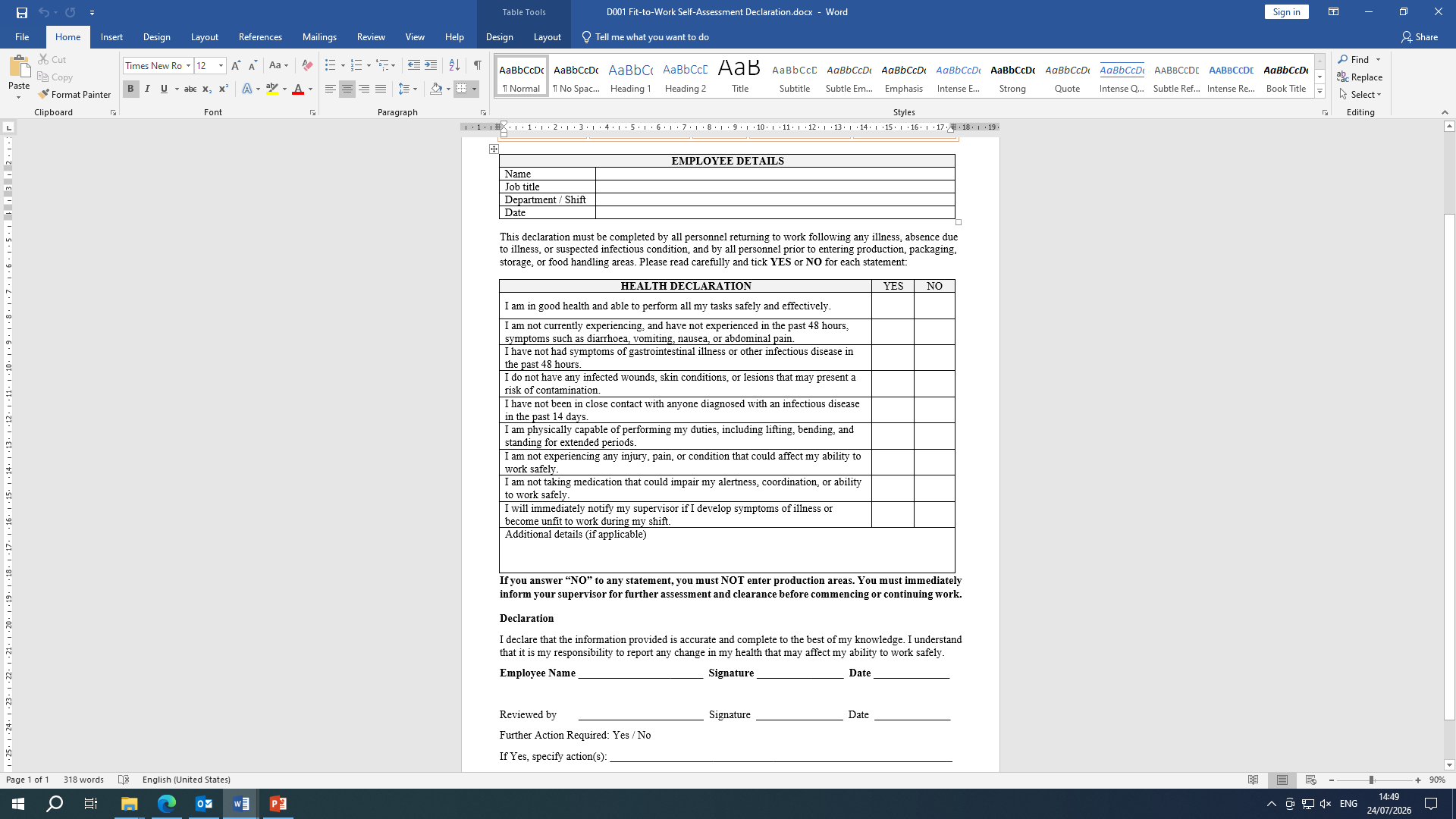
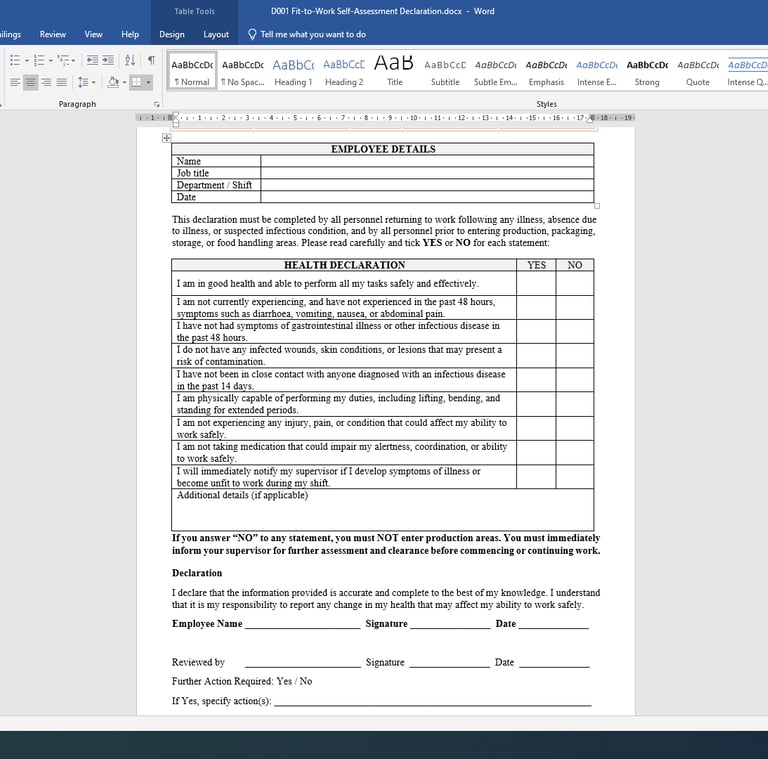
Employees returning after infectious illnesses also need to complete a Fit to Work Questionnaire.
Personal Protective Equipment (PPE)
Personal Protective Equipment helps prevent contamination by creating a barrier between the food and the food worker.
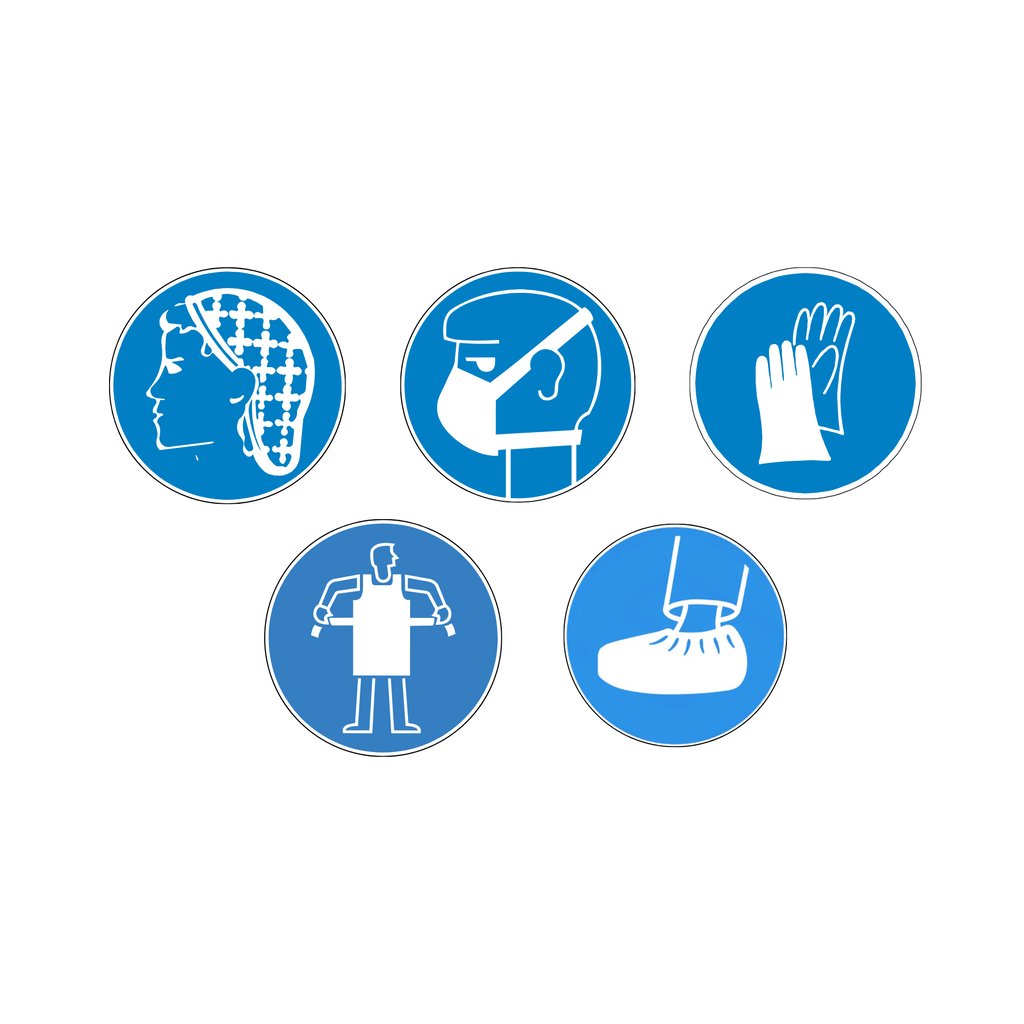
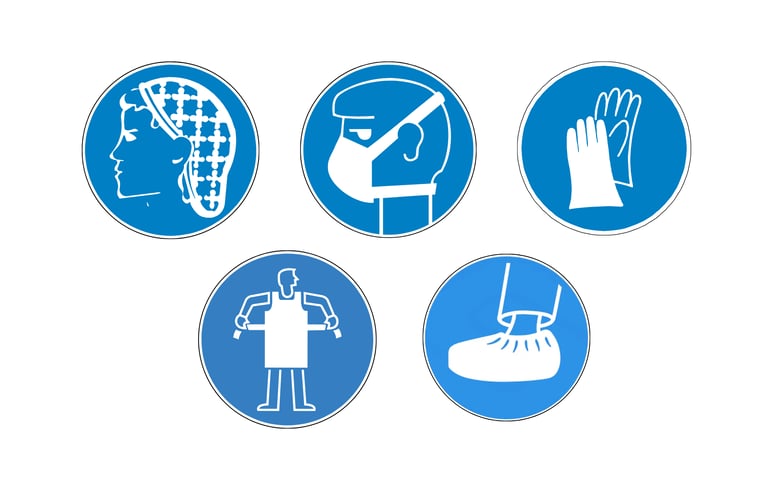
PPE may include:
hairnets
beard snoods
hats
white coats
overalls
aprons
gloves
sleeve covers
shoe covers
Always:
wear clean PPE
replace damaged PPE immediately
change PPE if it becomes contaminated
remove PPE before leaving production areas, including during breaks or when using toilets
Hand Hygiene
Handwashing is one of the most effective ways to prevent food contamination.
Wash your hands:
before starting work
before handling food
after using the toilet
after handling raw food
after handling food waste or bins
after cleaning
after every break
after eating or drinking
after smoking or vaping
after coughing, sneezing or blowing your nose
after touching your face or hair
after handling allergens
when changing tasks
whenever your hands may have become contaminated
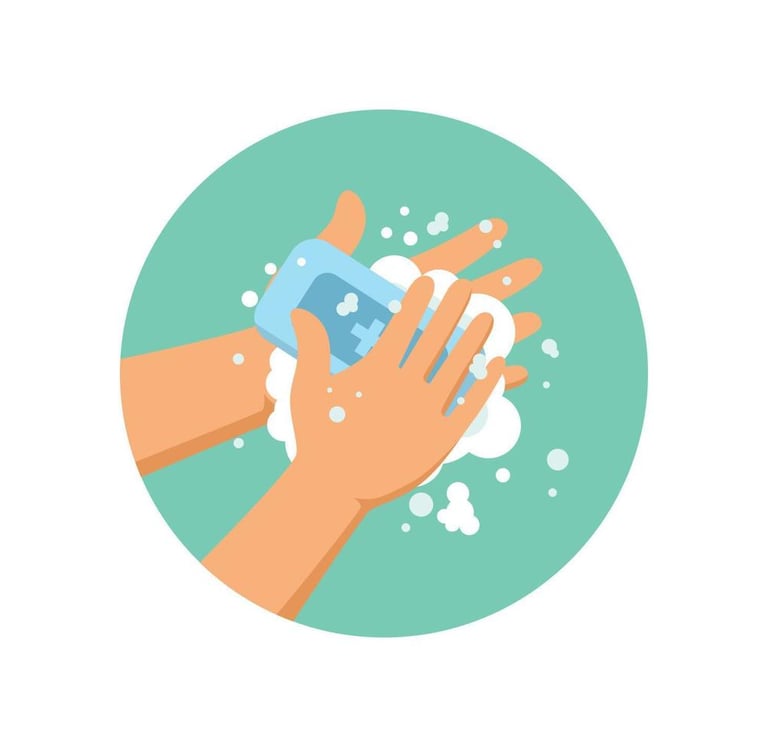
Hand Hygiene
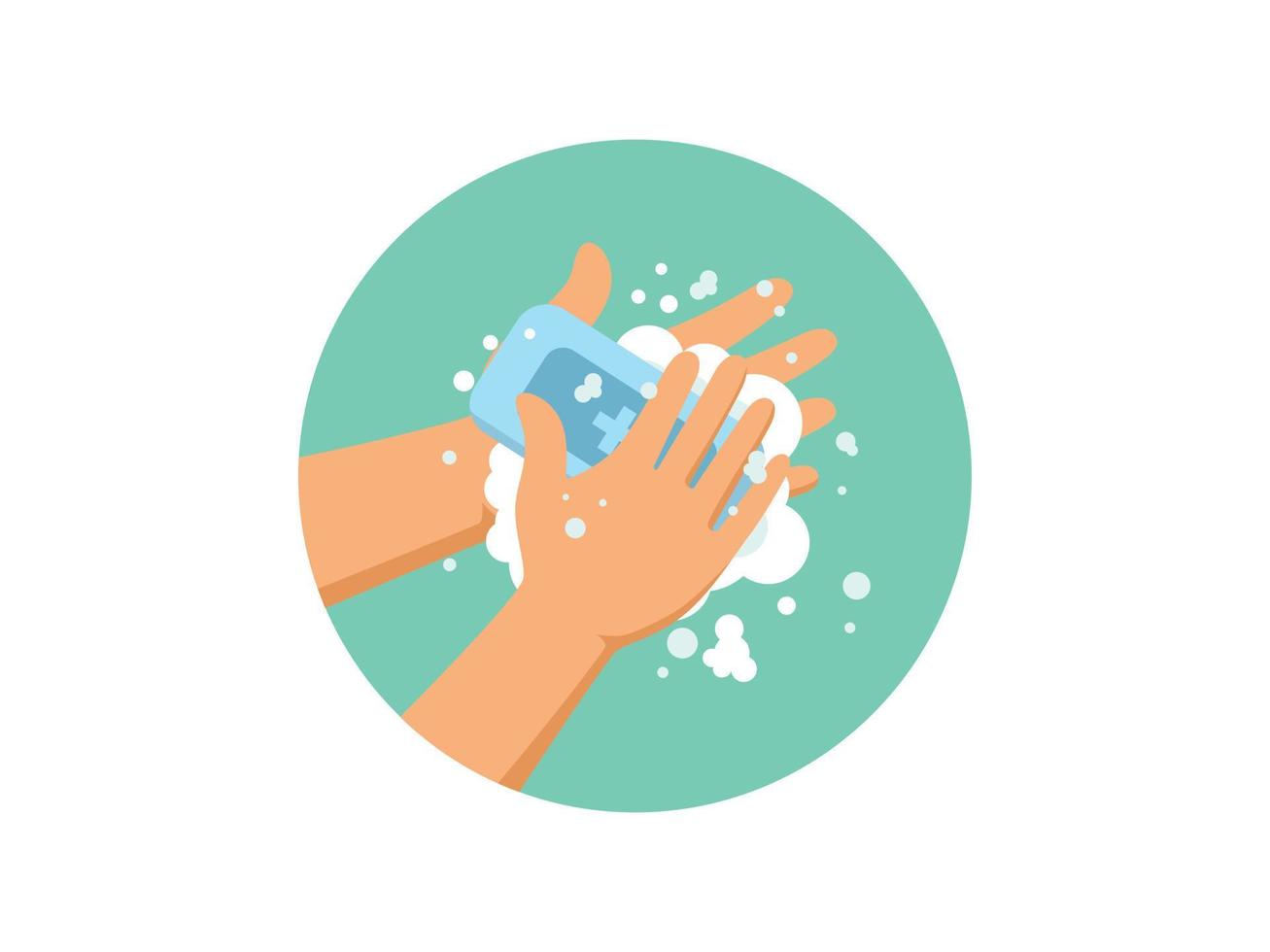
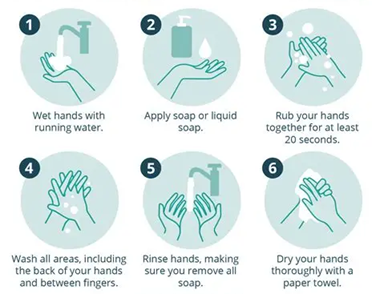
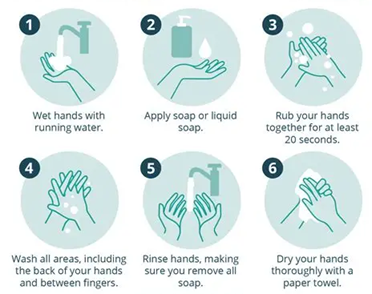
Wet hands with warm running water
Apply enough liquid soap to create a good lather
Rub palms together
Rub the backs of both hands
Clean between fingers
Clean fingertips and under fingernails
Clean thumbs
Clean wrists
Continue washing for at least 20 seconds
Rinse thoroughly under running water
Dry using a disposable paper towel
Alcohol hand gel or antibacterial wipes do not replace handwashing. They are only effective on visibly clean hands.
Hand Hygiene
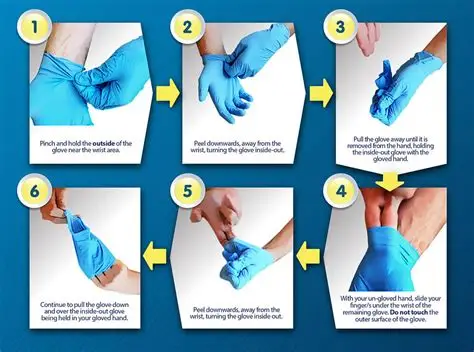
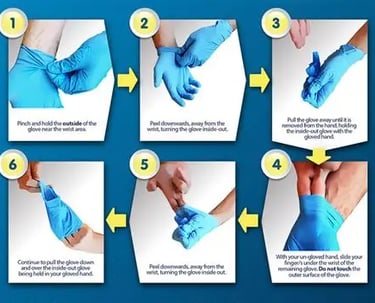
Disposable gloves are not a substitute for handwashing.
Hands must always be washed:
before putting gloves on
after removing gloves
whenever gloves are changed
Change gloves immediately if they:
become damaged
become contaminated
are used for a different task
are used after handling raw food
are used after touching non-food items such as bins, cleaning equipment or machinery
Summary
Good personal hygiene is one of the most effective ways to prevent food contamination. Every food worker is responsible for:
maintaining personal cleanliness
wearing appropriate PPE
washing hands correctly and frequently
reporting illness immediately
following hygiene procedures at all times
Maintaining high personal hygiene standards protects your colleagues, your customers, your business, and the food you produce.
Summary
Before starting work each day, ask yourself:
am I fit to work with food today?
is my uniform clean and complete?
have I removed prohibited jewellery and personal items?
are all cuts covered with a blue metal-detectable plaster?
have I washed my hands properly?
am I following good hygiene practices?
am I helping to protect the food I produce?
Remember
Food safety starts with you.
Every action you take helps protect consumers, your colleagues, and your business.
Even small lapses in personal hygiene can lead to food contamination, illness, product recalls, and damage to your company's reputation.
Following good hygiene practices every day is one of the most important responsibilities of every food worker.